General Dentistry: Fluoride Pros and Cons
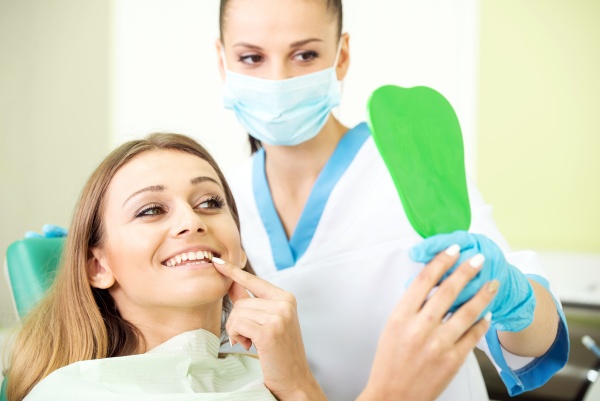
For the past few years, most communities have been adding fluoride to their water sources at the suggestion of those in general dentistry. Everyone accepted the idea because fluoride is known to prevent tooth decay. Dentists perform fluoridation on the teeth during routine dental checkups. What exactly is fluoride and what are its benefits and potential disadvantages?
Fluoride occurs naturally and is common in the earth’s crust. In certain parts of the world, it is present in large amounts that are considered dangerously excessive. The level of fluoride in fluoridated water is deemed to be safe and beneficial for the dental health of the community.
What to know about fluoride
The pros of fluoride
Mixing a tiny part of fluoride with water that contains no significant amount of fluoride is one of the easiest ways to improve the oral health of the people in the community. Fluoride helps to fortify the teeth enamel, which makes it possible to fight off dental issues like cavities, tooth decay and any disease that may cause tooth loss. It can also improve bone density.
Currently, two out of every three water sources in America are fluoridated, and this has consequently decreased the occurrence of cavities. This is particularly true for underprivileged populations who have no access to regular oral care. This measure is cost-effective and more affordable than the cost of general dentistry procedures such as cavity fillings.
The cons of fluoride
In recent times, questions have been raised regarding the safety of fluoridation, including ethical concerns. Some people opine that people should be able to decide to have their water fluoridated or not without the government forcing fluoride on the population. Others think that fluoridating water is now outdated because almost all toothpaste nowadays has a sufficient percentage of fluoride in its composition.
Certain studies have shown that fluoride may contribute to weakening the bones and maybe even the joint’s connective tissues. Fluoride also causes a condition known as fluorosis, which causes tooth discoloration. Fluorosis stains the teeth with an unappealing brown shade, but it has no harmful physical effects on the teeth.
A recent study conducted by the National Institute of Mental Health postulated that teeth damaged from fluoride could be associated with behavioral and psychological problems. Fluoride may also contribute to protein intolerance and protein digestion problems. Scientists have connected stomach and abdominal pains such as indigestions and cramps to fluoride.
Many believe that people who regularly deal with the recurrent, unexplainable stomach maladies may be sensitive to fluoride, but only a few link their discomfort to their drinking water. Supporters of fluoridation argue that the levels of fluoride required for these adverse effects are much higher than the current level of fluoride present in fluoridated water.
In conclusion
The advantages of fluoridation far outweigh the potential adverse impacts. Fluoride helps millions of less-privileged children maintain good dental health when they do not have access to general dentistry and has reduced the occurrence of preventable tooth decay. Not all places in the United States have fluoridated water, and if your water contains fluoride, it is not so hard to avoid if you are worried about its health implications.
Request an appointment here: https://columbiadentaloffice.com or call Columbia Advanced Dental Studio at (410) 635-5105 for an appointment in our Columbia office.
Check out what others are saying about our services on Yelp: Read our Yelp reviews.
Related Posts
Jaw pain, headaches, and difficulty chewing can severely impact daily life. Fortunately, a TMJ dentist offers specialized care to diagnose and treat disorders of the temporomandibular joint (TMJ), providing relief and restoring comfort. These dental professionals specialize in identifying the underlying causes of TMJ disorders and developing treatment plans tailored to your specific needs.The temporomandibular…
Oral appliances are usually recommended as an alternative to CPAP for sleep apnea treatment. These devices are custom made for patients by the general dentist using the mouth’s impressions. Oral appliances are not only effective for sleep apnea, but they are also sometimes good for stopping snoring.Most oral devices work by shifting the jaw forward.…
Teeth whitening helps many adults lift everyday stains while keeping appointments simple and predictable. At-home trays use dentist-recommended gel and a snug fit to gradually brighten enamel, supporting comfort and consistency. This approach fits busy routines, allows adjustments along the way, and encourages long-term shade maintenance with periodic touch-ups after professional cleanings.Teeth whitening gel contains…
Laser dentistry offers an alternative to ultrasonic drills by using focused light to remove tooth decay, shape tissue, and sanitize surfaces. Although the traditional drill delivers reliable results for many dental needs, dental lasers have improved the effectiveness of conservative techniques and patient comfort. A trusted dentist can recommend one approach over the other after…