Don't Ignore Your Sleep Apnea
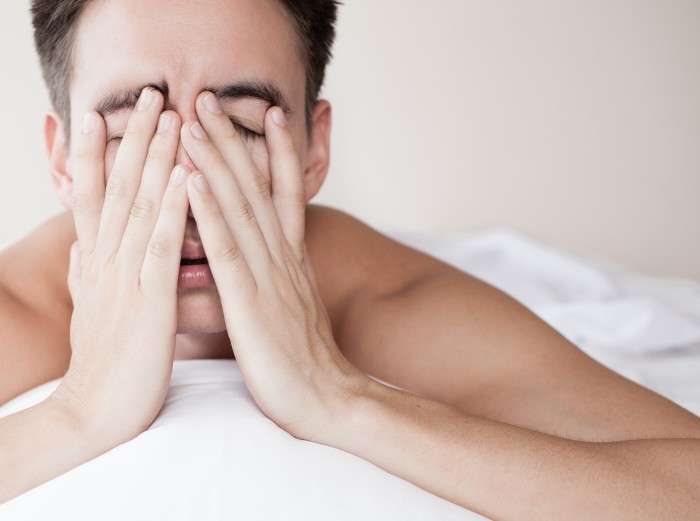
The Alaska Sleep Clinic estimates that 20 million Americans live with obstructive sleep apnea, a condition that causes the cessation of breathing while one sleeps. The most obvious primary symptoms of OSA are snoring and gasping for air in the middle of the night, though the condition causes several secondary symptoms that can negatively affect one's quality of life. If a person shows signs of having sleep apnea, it is imperative to undergo a sleep study and receive appropriate treatment.
Reasons one should never ignore the signs of sleep apnea
OSA causes brief bouts of wakefulness up to 30 times an hour throughout the night. These episodes of wakefulness, combined with the low oxygen levels, can lead to several life-altering and possibly life-threatening consequences. Below are just five reasons one should never ignore the signs of OSA.
1.Daytime fatigue
Even if a person gets the recommended eight hours of sleep each night, sleep apnea causes interrupted sleep, which results in daytime fatigue. Daytime fatigue is characterized by concentration problems, memory issues, irritability and lack of productivity. It may also cause a person to fall asleep at inconvenient or even dangerous times. For instance, according to WebMD, people with sleep apnea are five times more likely to fall asleep behind the wheel and cause an accident than those without the condition.
2.Weight gain
Individuals with sleep apnea are more likely to gain weight than those who do not have the condition. The weight gain is the result of several factors. For one, the metabolism slows down when a person is sleep deprived. Two, a sleep-deprived individual has less energy to work out or to prepare healthy meals for oneself.
Three, sleep deprivation causes a hormone imbalance. When asleep, the body produces two hormones, ghrelin and leptin. Ghrelin tells a person when to eat while leptin tells the body to stop eating. During a solid six to nine hours of uninterrupted sleep, the body produces equal amounts of the hormones. However, when a person sleeps fitfully, the body may produce more ghrelin and less leptin, which equates to weight gain.
3.Type 2 diabetes
Just like lack of sleep can affect the body's ability to produce proper amounts of leptin and ghrelin, so too can it affect the body's ability to regulate insulin. When the body fails to regulate insulin, a person's risk for developing diabetes increases exponentially. In fact, WebMD suggests that 80% or more of people who live with diabetes also have OSA.
4.Heart disease
Sleep apnea disrupts how the body takes in oxygen, which leads to low oxygen levels. Low oxygen levels, combined with the stress that comes with interrupted sleep, increase one's risk for heart attack and stroke.
5.High blood pressure
Sleep apnea can cause high blood pressure or make an existing condition worse. When a person has to constantly wake to catch their breath, the body become stressed. Stress makes the body's hormones go into overdrive, which raises blood pressure levels. Conversely, treatment for OSA can help regulate blood pressure levels.
Conclusion
Sleep apnea is not a condition one should take lightly. With proper treatment from a qualified dental professional, one can control sleep apnea and improve overall quality of life.
Request an appointment here: https://columbiadentaloffice.com or call Columbia Advanced Dental Studio at (410) 635-5105 for an appointment in our Columbia office.
Check out what others are saying about our services on Yelp: Read our Yelp reviews.
Related Posts
Jaw pain, headaches, and difficulty chewing can severely impact daily life. Fortunately, a TMJ dentist offers specialized care to diagnose and treat disorders of the temporomandibular joint (TMJ), providing relief and restoring comfort. These dental professionals specialize in identifying the underlying causes of TMJ disorders and developing treatment plans tailored to your specific needs.The temporomandibular…
Oral appliances are usually recommended as an alternative to CPAP for sleep apnea treatment. These devices are custom made for patients by the general dentist using the mouth’s impressions. Oral appliances are not only effective for sleep apnea, but they are also sometimes good for stopping snoring.Most oral devices work by shifting the jaw forward.…
Teeth whitening helps many adults lift everyday stains while keeping appointments simple and predictable. At-home trays use dentist-recommended gel and a snug fit to gradually brighten enamel, supporting comfort and consistency. This approach fits busy routines, allows adjustments along the way, and encourages long-term shade maintenance with periodic touch-ups after professional cleanings.Teeth whitening gel contains…
Laser dentistry offers an alternative to ultrasonic drills by using focused light to remove tooth decay, shape tissue, and sanitize surfaces. Although the traditional drill delivers reliable results for many dental needs, dental lasers have improved the effectiveness of conservative techniques and patient comfort. A trusted dentist can recommend one approach over the other after…