What Causes Porcelain Veneers to Fail?
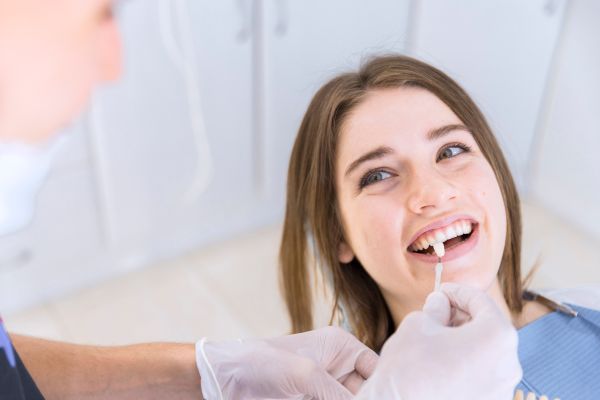
Porcelain veneers are perhaps the most popular and effective cosmetic dental treatment due to their durability and versatility. Veneers help to change the smile in remarkable ways and give the person’s self-esteem a boost. Generally, porcelain veneers should last up to 10 years or more with adequate care. Although durable, porcelain veneers sometimes fail, and you may need to have them replaced. In this article, we cover factors that may cause porcelain veneers to fail.
Why do veneers fail?
Improper bonding
Porcelain veneers usually fail if they are not correctly bonded to the teeth. The dentist must follow specific guidelines to ensure a perfect bond. Without proper bonding, the veneers could chip or break off. Another indication of improper bonding is any apparent margin between the gums and the veneers; you may be able to see the underlying tooth. With time, the forces of chewing with eventually cause the veneers to fail.
Wear and tear
Porcelain veneers are sturdy, but they can also be damaged through normal wear and tear caused by chewing and biting. Bad habits such as teeth grinding and opening hard substances with your teeth can hasten deterioration and cause damage to the veneers. If the veneers get chipped or cracked, you will need to have them replaced with new ones.
Tooth injuries
Accidents are unpredictable; it could be a sports injury, an auto crash or a hard fall. These injuries could affect the gums, teeth and any dental restoration or device you have on your teeth. Damage to the veneers from injuries and accidents should be corrected by replacing the veneers.
Root canal infection
Root canal infection happens when bacteria invade in the dental pulp of the tooth. This could be caused by injuries, tooth decay and other diseases. Pulp infection causes severe pain and discomfort and may cause the infection to spread to other areas of the mouth. The dentist will need to remove the porcelain veneers if the tooth gets infected.
Alignment issues
Before placing veneers, the cosmetic dentist must consider the patient’s bite, tooth and jaw alignment and other orthodontic factors. If a previous alignment issue was not corrected before the veneer was applied, it might compromise the quality and durability of the porcelain veneer. While the laminate itself may be resistant to discoloration and mask flaws, orthodontic issues of the teeth will eventually cause the veneers to fail.
Improper tooth preparation
Before applying veneers, the cosmetic dentist may need to reshape your teeth and remove a thin layer of enamel to make the veneers bond to the tooth surface. This is called prepping. Sometimes, the dentist may not be conservative enough and may end up scraping too much or too little of the tooth’s structure. This could cause tooth sensitivity and eventual veneers failure.
Poor construction
Porcelain veneers can also fail due to poor construction. They may be too thick, making the teeth appear bulky. The dentist may not polish the veneers to their proper, natural-looking luster, which will make them look dull. Poorly done veneers get discolored easily, sometimes after a few days.
In conclusion
If you are considering porcelain veneers, contact a reputable and experienced cosmetic dentist.
Request an appointment here: https://columbiadentaloffice.com or call Columbia Advanced Dental Studio at (410) 635-5105 for an appointment in our Columbia office.
Check out what others are saying about our services on Yelp: Read our Yelp reviews.
Related Posts
Jaw pain, headaches, and difficulty chewing can severely impact daily life. Fortunately, a TMJ dentist offers specialized care to diagnose and treat disorders of the temporomandibular joint (TMJ), providing relief and restoring comfort. These dental professionals specialize in identifying the underlying causes of TMJ disorders and developing treatment plans tailored to your specific needs.The temporomandibular…
Oral appliances are usually recommended as an alternative to CPAP for sleep apnea treatment. These devices are custom made for patients by the general dentist using the mouth’s impressions. Oral appliances are not only effective for sleep apnea, but they are also sometimes good for stopping snoring.Most oral devices work by shifting the jaw forward.…
Teeth whitening helps many adults lift everyday stains while keeping appointments simple and predictable. At-home trays use dentist-recommended gel and a snug fit to gradually brighten enamel, supporting comfort and consistency. This approach fits busy routines, allows adjustments along the way, and encourages long-term shade maintenance with periodic touch-ups after professional cleanings.Teeth whitening gel contains…
Laser dentistry offers an alternative to ultrasonic drills by using focused light to remove tooth decay, shape tissue, and sanitize surfaces. Although the traditional drill delivers reliable results for many dental needs, dental lasers have improved the effectiveness of conservative techniques and patient comfort. A trusted dentist can recommend one approach over the other after…