Treating Sleep Apnea With Oral Appliance Therapy
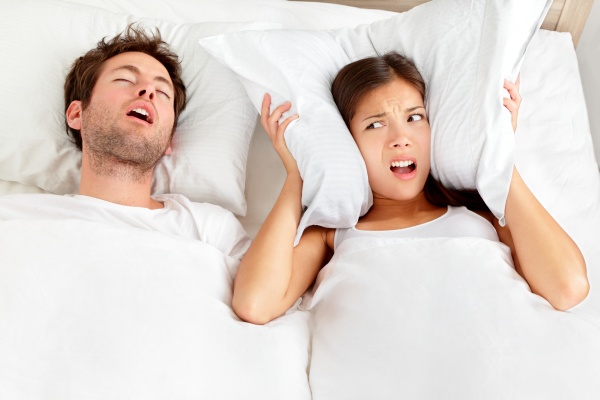
It may be surprising to some, but did you know your dentist can actually help with sleep apnea? The dentist is able to prescribe and fit you for a special oral appliance that can assist with proper airflow throughout the night. Here is what you should know about these devices.
What is sleep apnea?
Obstructive sleep apnea is when you stop breathing for at least 10 seconds in your sleep on a regular basis. The severity of sleep apnea depends on how often you stop breathing in the duration of an hour. Snoring can be a sign of partial sleep apnea; so are gasps and chokes when breathing is resumed. The cessation of breath is due to the muscles in the throat and mouth relaxing to the point where they restrict the airway. Along with constant fatigue from a lack of proper sleep, sleep apnea can lead to long-term complications such as cardiac issues and strokes.
The oral appliances
The purpose of oral appliances is to help prevent sleep apnea through placement in the mouth. Thanks to mandibular advancement devices and tongue retaining mouthpieces, oral appliances are a step down from having to use advanced equipment to treat sleep apnea.
Mandibular advancement device
Similar to orthodontic retainers, the mandibular advancement device (MAD) fits over the lower and upper teeth and is connected by hinges. The jaw and tongue are moved and kept forward by the MAD so that during the night the airway and airflow are never restricted.
Tongue retaining mouthpiece
These are built similar to the MADs but are kept in place via suction from a compartment around the tongue that keeps it forward. With the tongue retaining mouthpiece, the jaw is not kept forward for those who are unable to have their jaw do so.
Possible complications
The oral appliances used to treat sleep apnea do have some drawbacks and possible complications that need to be watched for and discussed with your dentist before using the appliance. They include the following:
- The appliances lead to increased amounts of saliva in the mouth, requiring frequent swallowing.
- Damage to teeth and soft tissues in the mouth and jaw muscles and joints is possible.
- The appliance can cause discomfort, especially in the morning. This may result in people not wanting to use the device as often as they should.
- The sleep apnea may be too severe for an oral appliance to be effective.
Conclusion
Oral appliances require a proper fitting in order to be effective for sleep apnea treatment, but they are simple and effective devices. Frequent visits with your dentist for any fitting changes as well as monitoring the effectiveness of your oral appliance can help you find the right fit to aid you in your sleep therapy. You do not need to suffer through sleep apnea affects when your dentist can help you with a simple device.
Are you considering getting an oral appliance for sleep apnea in the Columbia area? Get more information at https://columbiadentaloffice.com.
Check out what others are saying about our dental services on Yelp: Do I Have Sleep Apnea.
Related Posts
Caring for a child's teeth is essential to their overall health. Pediatric dental care focuses on keeping smiles healthy, preventing common dental problems, and ensuring children develop good oral hygiene habits early. From routine checkups to specialized treatments, pediatric dentists offer a range of services designed to protect teeth and gums while making visits to…
If you or a loved one has a dental abscess, then you need to visit an emergency dentist as soon as possible to ensure the infection does not spread to the rest of the mouth. A dental abscess causes more than a simple toothache, and delaying care may increase the risk of serious complications. As…
Crown lengthening is the practice in periodontics of exposing the teeth to provide a stable base for a new prosthetic crown, correct a gummy smile, or access cavities or perforations under the gum line. There are several methods to achieve this, with some being more invasive than others. Let us explore the procedures available today.Lengthening…
A denture reline is a normal part of wearing dentures. Relines are needed to fix ill-fitting dentures. You experience bone loss when you wear dentures, and eventually, that will cause the dentures to fit poorly. The reline adjusts the shape of the dentures, so they fit once again. Most people need a reline every two…